

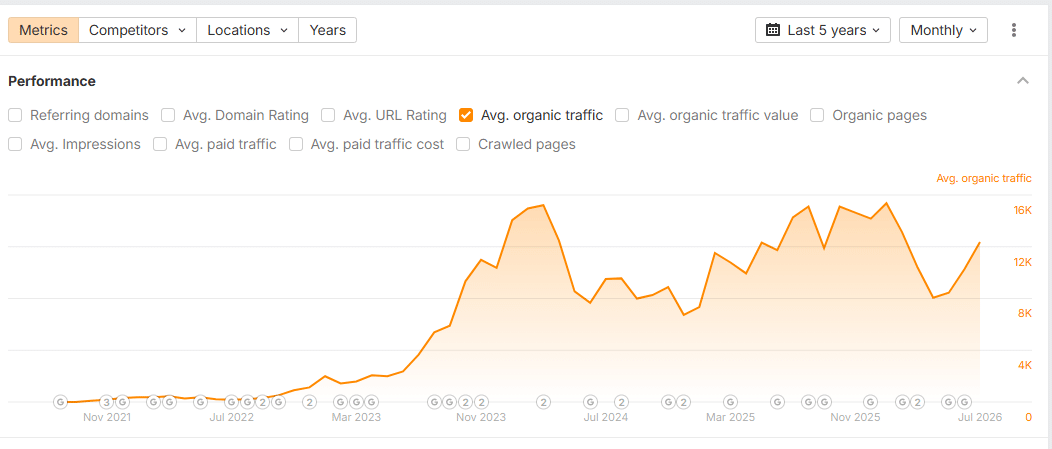
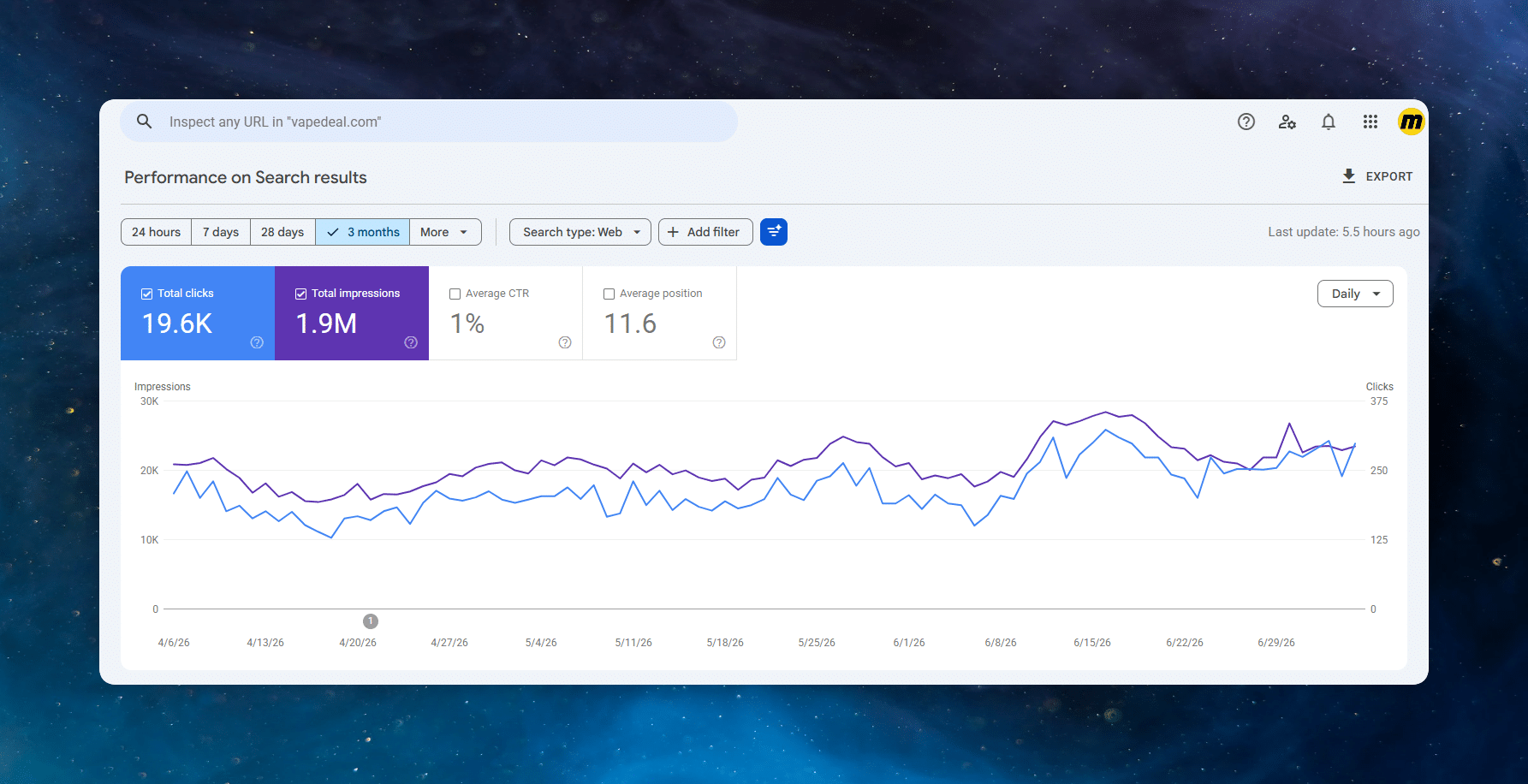
Development Summary
Rather than relying solely on Impact.com's default implementation, MonsterClaw designed and developed a custom cross-platform attribution framework that preserved affiliate information throughout the customer's entire journey.
The objective was simple: capture the affiliate once, keep it available everywhere, and assign commissions automatically.
Capturing Affiliate Attribution: When visitors arrived through an Impact affiliate link, our integration immediately captured the affiliate tracking parameters. Instead of depending only on browser cookies, we stored affiliate information securely using browser Local Storage while simultaneously synchronizing it with the backend database. This hybrid approach ensured affiliate attribution remained available even after users navigated between independent applications.
Connecting WordPress & React: The biggest technical challenge was maintaining affiliate attribution across two completely different systems. To solve this, we created a synchronization layer between the WordPress marketing website and the React application. During account registration, affiliate information was linked to the newly created user, referral records were permanently stored, and customer accounts became associated with their referring affiliate. Later, when users purchased a certification course inside the React application, our system automatically checked for an existing affiliate relationship before completing the purchase. If a valid referral existed, commission attribution happened automatically. The customer never noticed the complexity happening behind the scenes.
Custom Attribution Engine: Instead of relying solely on browser cookies, we built a hybrid tracking model combining client-side persistence with server-side validation. The attribution engine included: affiliate parameter capture, Local Storage persistence, database synchronization, user-affiliate mapping, purchase validation, commission assignment, and conversion confirmation. This created a reliable source of truth for affiliate attribution regardless of which platform processed the purchase.
API Development: A custom REST API was developed to synchronize referral information between WordPress, React, and the backend database. The API handled affiliate parameter transmission, user mapping, attribution lookup, purchase verification, and conversion processing. This architecture eliminated tracking gaps while remaining scalable for future platform enhancements.
Testing & Validation: Affiliate tracking was tested across multiple customer scenarios to ensure reliable attribution. Testing included first-click attribution, returning visitors, account registration, login persistence, checkout validation, commission generation, cross-browser compatibility, and edge-case scenarios. Every customer journey was validated before deployment.
Solution Architecture:
Affiliate Click
        │
        ▼
 WordPress Website
        │
 Capture Affiliate ID
        │
 ├────────► Local Storage
 │
 └────────► Database
                 │
         Customer Registration
                 │
 Associate User & Affiliate
                 │
      Login to React App
                 │
  Validate Affiliate Record
                 │
       Purchase Course
                 │
 Automatic Commission
                 │
 Impact Conversion
The results were transformative. This custom attribution framework eliminated tracking gaps, ensured reliable commission assignment, and provided ScraperAPI with a robust, scalable solution that worked seamlessly across independent platforms a clear testament to the power of thoughtful, cross-platform engineering in affiliate marketing.

