


Use this coupon “MC10” for an exclusive 10% discount
In today’s article, we will be reviewing Audiosocket, a music licensing company offering a service referred as Music-as-a-Service (MaaS). Let’s dive into it:
What is Audiosocket?
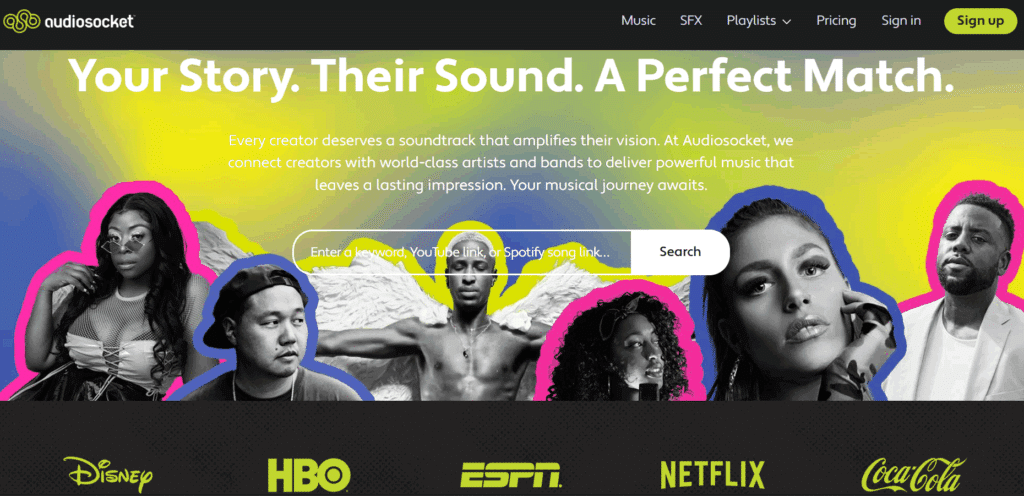
Audiosocket is a premium music licensing and technology company that connects independent musicians with content creators, businesses, and digital platforms. Founded in 2009 and based in the United States, with its headquarters in Seattle, it has become a well-known player in the music licensing space, especially for creators who want emotive, high-quality music without legal headaches.
What sets Audiosocket apart is its dual nature: it functions both as a subscription-based music licensing platform and a full-service sync agency. Its API-driven product, Music-as-a-Service (MaaS), also allows apps and platforms to embed music seamlessly, making it ideal for platforms like Canva, CapCut, TikTok, and YouTube that need embedded, pre-cleared music.
Key Features
Extensive Curated Catalnpog
Audiosocket offers a library of over 80,000 songs and 24,000+ sound effects, curated across more than 250 genres. This includes everything from cinematic scores to indie rock, electronic beats, hip-hop, pop, ambient, and more.
What stands out is the quality of the music. Unlike traditional stock libraries that may lean toward generic or synthetic tracks, Audiosocket emphasizes real artistry with emotion, depth, and professional production.
Powerful Music Discovery Tools
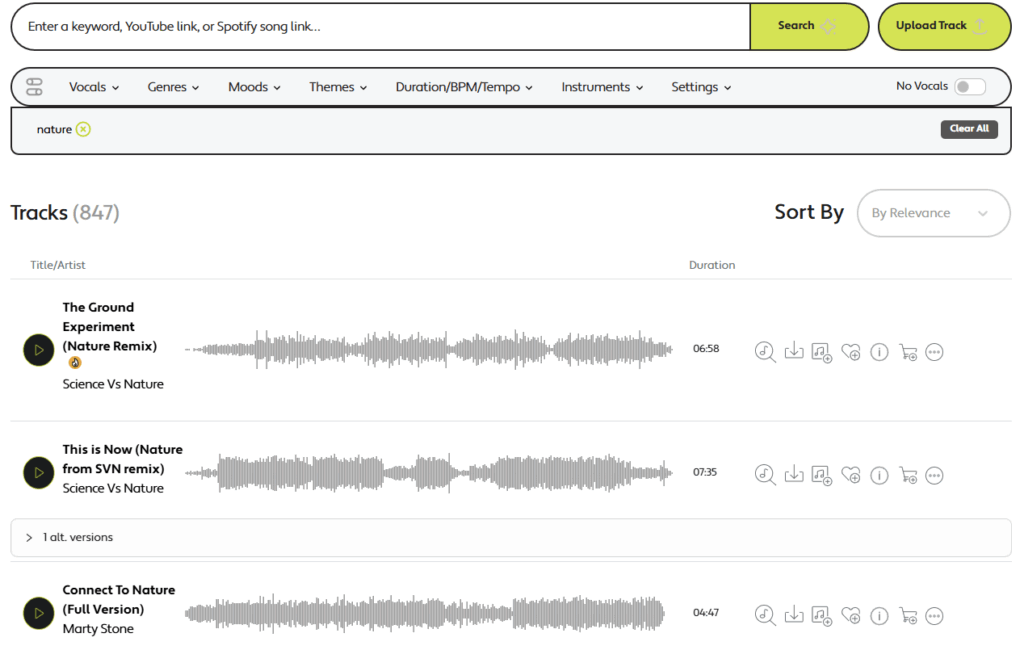
Audiosocket provides creators with a feature-rich search engine. You can filter music by genre, mood, tempo (BPM), instrumentation, and vocals. One particularly powerful feature is the reference-track matching. By uploading a track or linking to a song on platforms like Spotify or YouTube, Audiosocket can return similar tracks from its catalog.
This capability makes it ideal for filmmakers, editors, and marketers looking to replicate a specific vibe without infringing copyright.
Flexible Licensing Options
Audiosocket offers licensing plans for different types of users:
- Personal Plan (around $10 – $16.58/month paid annually, $15 – $25/month paid monthly): Perfect for YouTubers, vloggers, and hobbyists who are creating content for personal use.
- Commercial Plan ($33 – $45/month for annual subscription, $59 – $72/Month for monthly subscription): Geared toward professionals creating content for clients, freelancers, and small agencies.
- MaaS Integration ($625– $849/month): Designed for app developers, tech platforms, and large-scale content producers who want music embedded in their digital products.
- Custom Licensing: For enterprise clients with larger or more complex licensing needs.
Sync Licensing Support (ASX)
They go beyond self-service licensing with its agency division, ASX. This sync agency actively pitches music for placements in film, television, trailers, and advertising. For artists, this means potential exposure on global stages. For brands and content studios, it offers expert music supervision and licensing help.
Audiosocket Sync Licensing: How ASX Works for Independent Artists
ASX – Audiosocket’s sync agency division – operates separately from the subscription licensing platform. While the subscription catalog serves creators licensing music independently, ASX is a full-service sync agency that actively pitches music to music supervisors, studios, ad agencies, and streaming platform editorial teams.
What ASX does:
ASX takes on a music supervision role on behalf of the artists in its roster. When a film, TV show, trailer, or commercial is looking for music, ASX pitches tracks from its artist relationships directly – rather than the buyer having to browse a library themselves.
This is the part of Audiosocket that has placed music with Netflix, Uber, Starbucks, and YouTube. Those brand placements do not come through the self-service subscription catalog. They come through active sync pitching by the ASX team.
For independent artists, ASX means:
- Your music can be pitched for placements you would never access on your own
- No upfront submission fee to be considered for sync representation
- Placements in major projects build your sync track record and generate meaningful licensing income
- Sync placements trigger performance royalties through your PRO whenever the content airs
What ASX does not guarantee:
ASX does not accept every catalog artist for active sync representation. Being in the Audiosocket subscription catalog and being actively pitched by ASX are two different things. Artists who want ASX consideration should focus on producing tracks that are structurally sync-ready: clear narrative arc, no hard-to-clear references, and stems available for editing.
Licensing & Technology Innovation
Audiosocket has developed some standout tools in the tech realm:
- MaaS (Music-as-a-Service) allows tech platforms to integrate licensed music via API.
- LicenceD is a watermarking technology that helps track usage and protect copyright.
- Upcoming tools aim to integrate AI in ways that enhance music matching and editing (without replacing musicians).
Strengths
Ideal for Content Creators
If you’re a YouTuber, podcaster, course creator, or freelancer, Audiosocket offers a simple, scalable solution for music licensing. Its intuitive interface, extensive library, and smart search tools make the process of finding the right track efficient and enjoyable.
The personal licensing tier is affordable and comprehensive for individuals producing non-commercial content. For those monetizing content or working with clients, the commercial plan provides peace of mind and legal safety.
Artist-Friendly Ecosystem
Audiosocket is built with musicians in mind. Artists can submit their music for inclusion in the library and gain access to both subscription-based royalties and sync placement opportunities via ASX. This dual revenue opportunity is rare and attractive for independent musicians looking to diversify their income.
Audiosocket doesn’t charge artists upfront fees to pitch their music unlike some sync platforms, and instead pays royalties on actual placements or licensing use.
Scalable for Businesses and Platforms
From small agencies to billion-dollar platforms, Audiosocket’s MaaS API provides a technical solution for embedding licensed music directly into a digital product. This is invaluable for platforms that need seamless licensing at scale, like video editors, mobile apps, or design platforms.
Trusted by Major Brands
Audiosocket has built a strong reputation; they have worked with brands and companies such as Netflix, Uber, Starbucks, and YouTube. This shows a proven ability to meet high-quality and legal compliance standards for major media buyers.
Weaknesses & Limitations
Complexity for Beginners
While the search tools are advanced and powerful, they can initially be overwhelming. Creators new to music licensing might need a bit of time to learn how to filter and sort tracks effectively.
Pricing Considerations
Although the personal plan is quite affordable, the commercial plan starts at around $33 – $45/month for an annual subscription, and $59 – $72/Month for a monthly subscription might be a stretch for early-stage creators or freelancers on tight budgets. However, considering the quality and legality of the music, this pricing is still fair and competitive.
The MaaS plan, targeted toward platforms and apps, is priced at $600+ per month, which is reasonable for large-scale businesses but not suitable for small teams or indie developers.
Artist Onboarding Wait Times
Musicians hoping to be part of the Audiosocket catalog, the approval process can be lengthy; some artists report waiting time is for long for a response. Also, acceptance is selective. Artists need to submit professional, sync-ready tracks with clean production, stems, metadata, and structure.
Even after being accepted, placements aren’t guaranteed. Success depends on how well the music fits with sync needs and trends.
Licensing Boundaries
Each plan has specific terms. For example, the personal plan doesn’t permit monetization or client work, while the commercial plan is needed for business use. Users must ensure they’re selecting the right plan for their content to avoid legal issues.
How to Submit Music to Audiosocket?
If you are an independent artist looking to get your music into the Audiosocket catalog, the process is straightforward but the bar is high.
The submission process:
- Go to audiosocket.com/artists and click “Submit Music”
- Fill in your basic artist information
- Upload four original tracks – no covers, no samples you do not own outright
- Any co-writer, co-producer, or co-rights-holder on those tracks must also sign an Audiosocket agreement before your music can be accepted
- Wait for a review from the Audiosocket team
Audiosocket accepts approximately 10% of all submitted artists. They are selective by design. The catalog is built around quality over quantity, and their licensing clients – brands, studios, platforms expect that standard.
What makes a submission competitive:
- Professional studio-quality production with no artifacts, noise, or clipping
- Clean metadata: accurate BPM, key, instrumentation tags, and mood descriptors
- Full ownership – all rights must be cleared before submission (no uncleared samples)
- Sync-ready structure: intros, outros, stems, and loop-friendly arrangements are preferred
- Registered with a PRO (ASCAP, BMI, or SESAC) – you do not have to be, but Audiosocket strongly recommends it because sync placements generate performance royalties that only PRO members collect
What Audiosocket does not offer
- Feedback on rejected submissions. If your tracks are not accepted, Audiosocket will not explain why. The decision is final and there is no appeal process.
- Guaranteed placements after acceptance. Being in the catalog means your music is available. It does not mean it will be licensed.
Artist Royalty Structure
When your music is licensed through Audiosocket, you receive 50% of the licensing fee collected. Payments are made on a biannual basis. For sync placements through the ASX agency division, placement fees vary by project and are negotiated on a per-deal basis.
Audiosocket vs. Other Platforms
Stock Music Libraries
Compared to traditional royalty-free sites like AudioJungle or Pond5, Audiosocket focuses more on quality and curation than mass quantity. It’s less cluttered and more boutique in style, which appeals to creators who want standout tracks that feel authentic and emotional.
While stock libraries might offer cheaper, one-off tracks, Audiosocket’s subscription model offers better value for ongoing creators.
Sync Agencies
Unlike sync services that charge high upfront fees for submissions or limit placements to a handful of clients, Audiosocket provides broader exposure through its platform and doesn’t charge artists to join. It also combines a traditional sync agency (ASX) with a scalable self-service model, something few companies offer.
Use Cases
For Creators and Influencers
YouTubers, vloggers, educators, and podcasters benefit most from the subscription model. The ability to license professional-grade music without complex legal agreements makes Audiosocket perfect for steady content production.
For Businesses and Agencies
Marketing teams and freelancers working with clients can use the commercial plan to deliver high-quality content without copyright issues. The agency-style support through ASX also helps elevate brand campaigns.
For businesses looking to grow through partnership marketing as well, an Affiliate Management Service can complement broader marketing efforts by helping recruit, manage, and optimize affiliate partnerships alongside brand campaigns.
For Developers and SaaS Platforms
Audiosocket’s MaaS API is perfect for developers who want to embed legal music into apps, games, or content creation tools. The API allows dynamic licensing and avoids potential DMCA or copyright takedowns.
For Artists and Composers
Independent musicians can submit music to the catalog to earn from subscriptions and potential placements. While competitive, it’s a genuine opportunity to monetize music beyond traditional streaming platforms.
Pricing Overview
| Plan | Approx. Price | Best For |
| Personal |
|
Hobbyists, personal YouTube videos |
| Commercial |
|
Freelancers, agencies, and monetized use |
| MaaS Integration |
|
Platforms, SaaS apps, tech products |
| Enterprise/Custom | Varies | Large media studios, global brands |
These prices are estimates and may vary, so it’s best to check the official site for the latest.
Pros and Cons of Audiosocket
Audiosocket is one of the most robust, forward-thinking music licensing platforms on the market. It balances the needs of creators, businesses, and musicians through a curated catalog, scalable pricing, and innovative licensing tools.
Pros:
- High-quality, emotion-rich music catalog.
- User-friendly search tools with advanced filtering.
- Affordable plans for both hobbyists and professionals.
- Artist-friendly platform with sync opportunities.
- Scalable integration for large platforms via API.
Cons:
- Long approval process for artists.
Higher price point for commercial use.
Audiosocket Company Background and Who Runs It
Official website: audiosocket.com
Audiosocket was founded in 2009 and is headquartered in Seattle, Washington. It operates as both a music licensing technology platform (the subscription-based creator marketplace) and a sync agency (ASX).
The company serves two distinct markets simultaneously: content creators who need licensed music for video, podcast, and social content, and enterprise buyers including major streaming platforms, advertising agencies, and film production companies who need curated sync placements.
Jenn Miller – Audiosocket Sync Agent:
Jenn Miller is a sync licensing professional associated with Audiosocket’s agency operations. She works within the ASX team as a sync agent, representing the catalog and pitching tracks to music supervisors and creative directors. For artists trying to understand who makes placement decisions at Audiosocket, the ASX team – including agents like Jenn Miller – handles the active pitching side of the business rather than the automated catalog discovery side.
If you have inquiries about sync representation or specific placement opportunities, contact Audiosocket directly through their official website. Email: storefront@audiosocket.com. Phone: 206.701.7931.
Audiosocket’s technology arm:
Beyond licensing, Audiosocket has invested in proprietary music tech. The MaaS (Music-as-a-Service) API allows platforms like design tools, video editors, and mobile apps to embed licensed music directly. The LicenceD watermarking system tracks usage and protects copyright across digital platforms. These tools position Audiosocket as a technology company that handles music licensing – not just a music library that happens to have a website.
Who Should Use Audiosocket?
Content Creators: If you’re regularly creating video, podcast, or social content, Audiosocket can be your go-to music resource.
Businesses and Agencies: For commercial use, client work, and ads, Audiosocket offers legal clarity and superior audio branding potential.
Developers & Platforms: If your app or platform requires embedded music, the MaaS API is a turnkey solution.
Musicians: If you produce high-quality, sync-ready music, Audiosocket offers real potential for licensing income and exposure.
Audiosocket Careers
Audiosocket occasionally hires across roles in music licensing, technology, and business development. The company is based in Seattle, Washington.
For current openings, check the Audiosocket official website directly at audiosocket.com or contact them at storefront@audiosocket.com. Audiosocket does not maintain a public careers portal with live listings at all times – roles are typically posted when active.
Types of roles Audiosocket has historically hired for:
- Sync licensing agents and music supervisors
- Music metadata and catalog management specialists
- Developer roles related to the MaaS API and LicenceD technology
- Business development for enterprise licensing partnerships
If you are a music industry professional interested in sync licensing or music tech, Audiosocket is one of the few companies operating at the intersection of both. Following them on LinkedIn is the most reliable way to catch open positions when they are posted.
Conclusion
Audiosocket offers a perfect blend of music quality, licensing flexibility, and tech innovation. They are a full-fledged licensing ecosystem. If you’re a creator trying to avoid copyright strikes or a composer hoping for your big sync break, Audiosocket is a platform worth exploring.
FAQs
Go to audiosocket.com/artists and click “Submit Music.” Upload four original tracks with full ownership rights cleared, fill in your artist information, and wait for a review. Audiosocket accepts approximately 10% of submissions. There is no feedback provided on rejections. Your submission must include tracks you have written and recorded yourself – no covers, no uncleared samples, and all rights-holders must sign an agreement before your music can be accepted.
Audiosocket’s official website is audiosocket.com. The artist submission portal is at audiosocket.com/artists. For licensing inquiries, contact storefront@audiosocket.com or call 206.701.7931.
Audiosocket’s sync licensing service operates through its agency division called ASX. ASX actively pitches music from Audiosocket’s artist roster to music supervisors, film studios, advertising agencies, and streaming platforms. It is separate from the self-service subscription catalog. Artists accepted into the catalog may also be considered for active sync representation through ASX, though this is not guaranteed for all catalog artists.
Jenn Miller is a sync licensing agent associated with Audiosocket’s ASX division. Sync agents at Audiosocket handle active pitching of music to music supervisors and creative buyers. For sync-related inquiries, contact Audiosocket directly through their official website rather than individual agents.
No. Audiosocket accepts approximately 10% of submitted artists. The catalog is built around quality and sync-readiness. Tracks must be professionally produced, fully owned by the submitting artist, and structured for sync use. Audiosocket does not provide feedback on rejected submissions.
Artists receive 50% of the licensing fee collected on each track license. Payments are made biannually. For sync placements arranged through the ASX agency, placement fees vary by project. Artists registered with a PRO (ASCAP, BMI, or SESAC) also collect performance royalties separately when licensed content airs.