



Healthcare marketing has moved online.
And Google is often the first stop before a phone call. Medical SEO is how clinics, hospitals, and private practices show up when someone searches for care nearby.
But healthcare marketing isn’t like selling shoes online. Patient data is protected by law, and one wrong move can cost thousands in fines.
To avoid that, you need HIPAA-aware SEO. It builds visibility without putting patient privacy at risk.
At MonsterClaw, we help healthcare brands rank higher, earn trust, and stay compliant. Check out Medical SEO Services.
1. Stronger Search Visibility
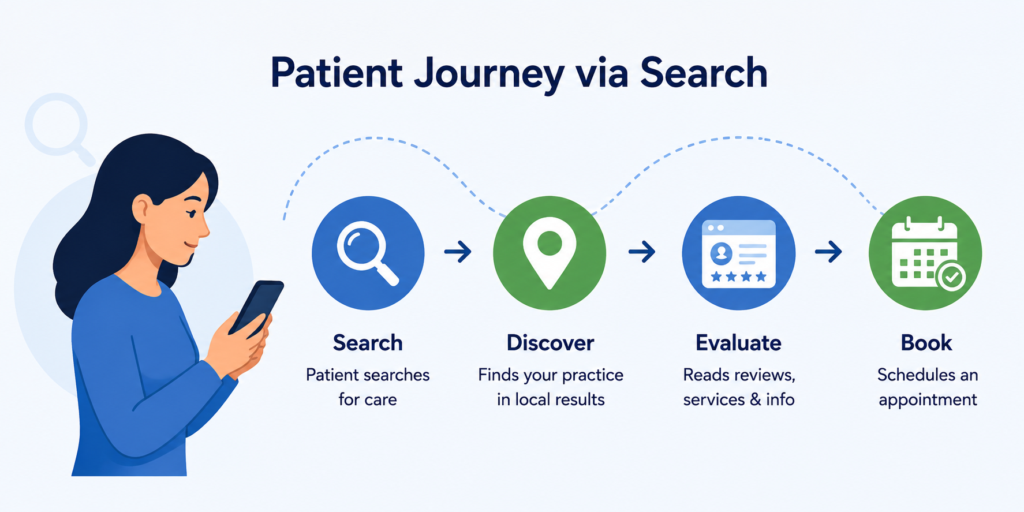
Most patients don’t call a clinic first.
They Google it. About 77% of patients use search engines to find doctors before booking anything. They read bios, check listings, scan reviews, and look at maps, often on their phone, often at odd hours.
Medical SEO ensures your website or content appears at the exact moment someone needs care, whenever someone types:
- “Pediatrician in [city]”
- “Dermatologists near me”
- “Urgent care open now”
That’s strong visibility.
Rank for those terms, and you show up when it counts.
Skip SEO, and a competitor with a more optimized website wins that click instead.
2. Deeper Patient Trust
Trust doesn’t happen because a website looks nice.
It happens because patients see proof. In healthcare, people naturally want to know who’ll treat them, what a procedure involves, and whether the provider seems trustworthy.
Medical SEO puts that proof front and center through:
- Reviews
- Ratings
- Articles
- Doctor bios
- Clear answers to common health questions
Reading content builds familiarity, and replying to reviews deepens it. Even stats say that about 41% of patients trust doctors more after seeing responses.
Medical SEO uses this feedback to show patients your practice listens, replies, and actually cares. This helps build trust.
Learn more: Medical Practice Marketing: What is it and How to do It?
3. Long-Term Patient Loyalty
Getting a new patient once is good.
Keeping that patient for years is better, and cheaper too. Because getting a new one can cost 5-7 times more. Hence, patient retention is essential.
Medical SEO helps here. It focuses on optimizing content patients keep coming back to. Think symptom guides, prevention tips, and health updates tied to what they searched before.
Personalized outreach built on healthcare SEO data does even more. For instance, patients who get personalized marketing are 35% more likely to stick with a medical practice long-term.
Loyal patients return for care. And happy patients tell friends and family. A referral from someone who trusts you converts faster than any ad. And they can eventually become regular consumers.
4. Steady HIPAA-Compliant Conversions
Medical SEO isn’t just about traffic.
It’s about turning that traffic into booked appointments, without breaking any privacy rules along the way.
Most medical groups invest about 1-5% of yearly revenue in marketing. But here’s the challenge: healthcare websites typically convert only 2-5% of visitors into patients.
That gap is exactly where a well-built, HIPAA-safe strategy earns its keep. Done right, personalized campaigns can deliver 5-8 times more ROI and boost quality scores by up to 25%.
The catch is simple: every landing page, form, and email needs to collect data safely. Once you ensure that, growth, revenue, and compliance will start working together.
10 Medical SEO Strategies That Are HIPAA-Compliant
1. Google Profile Optimization
Your Google Business Profile often shows up before your website does. Claim it, verify it, and keep every detail updated.
That means-
- Accurate hours, address, and phone number
- Recent photos of the office and team
- Services listed in plain language
- Prompt, professional replies to reviews
When responding to reviews on the profile, stick to general thanks or a polite offer to discuss things privately.
Never confirm someone was a patient or mention any health detail, even in a reply meant to help.
A complete, active, and carefully worded profile ranks higher in local map results. That way, more people see it before they click through. Ignore this map listing, and competitors steal your patients.
2. Local Search Optimization
Healthcare searches are almost always local.
Nobody searches “best cardiologist” without a city attached, even if they don’t type it.
- Start by building pages around specific neighborhoods, service areas, and terms like “family doctor in [city].”
- Ensure your name, address, and phone number match exactly across every directory online.
- Keep location pages free of any real patient details or case examples tied to identifiable people.
That consistency tells Google your clinic is real and active. Plus, it keeps you on the right side of privacy rules while still ranking higher locally.
3. Optimized Medical Website Design
Your website is the foundation everything else builds on.
Search engines need to read it easily, and patients need to use it without frustration.
That means-
- Fast load times on mobile
- Clear service pages with plain-language descriptions
- SEO-friendly content
- Doctor bios, office hours, insurance details, and contact info on relevant pages
- Simple navigation straight to booking
A slow, cluttered site pushes both rankings and patients away. A clean, fast one ranks better and converts more visitors into appointments.
4. Medical Content Hubs
Patients search mostly with questions. Not keywords.
“Why does my knee hurt after running” gets typed more than “orthopedic SEO.” Content hubs answer these questions directly, grouped by topic:
- Symptoms and when to worry
- Conditions explained in plain terms
- Treatment options
- Prevention tips
So, try to create-
- Simple articles
- FAQs
- Checklists
- Health guides
Ensure you stick to concerns you specialize in. A diabetes clinic might build out blood sugar guides. A dermatology group might cover skin checks and common rashes.
But write from general medical knowledge, not real patient cases, unless you’ve signed HIPAA authorization to reference one.
Each piece should stay factual. Avoid guarantees, and never read like a diagnosis.
Done well, SEO-friendly content brings in steady organic traffic and positions the practice as the answer patients were already looking for.
5. SEO-Friendly Medical Video
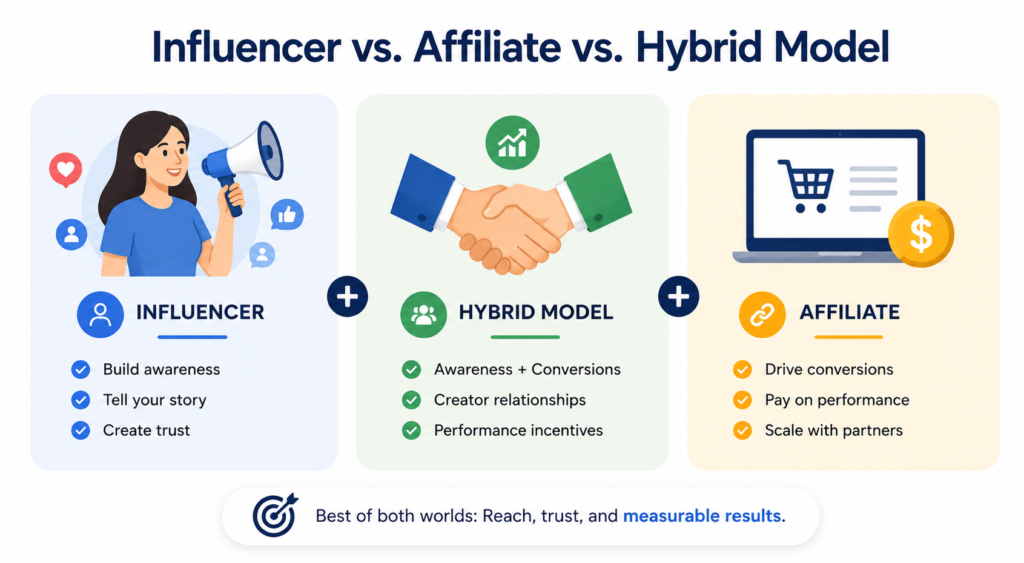
Video ranks well and builds trust fast.
A short clip explaining a procedure or introducing a doctor gives patients a face and a voice. It happens before their first visit even starts.
- Upload videos to YouTube, your website, and social channels.
- Add transcripts with winning keywords so search engines can index the content.
- Keep claims modest and avoid promising specific outcomes.
But make sure you feature real patients on camera with signed, written consent only. Keep any testimonial general rather than tied to a specific diagnosis.
The best thing about SEO-friendly medical video is that it helps you earn more shares than plain text. These stretches reach further without extra ad spend. A smartphone and decent lighting are enough to start.
6. Review and Reputation Management
Reviews double as both trust signals and ranking signals.
Google looks at how many reviews you have, how recent they are, and your star rating when deciding local rankings. Patients care just as much. About 84% read reviews before choosing a provider, and 75% skip anyone rated below 4 stars.
- Ask satisfied patients for honest feedback through proper, HIPAA-safe channels, never by offering incentives tied to a specific rating.
- Respond to every review professionally. Never share health and treatment details in a public reply.
A steady stream of genuine, HIPAA-safe reviews builds trust and rankings at the same time.
7. Local Citations and Backlinks
Both signal legitimacy to Google.
Citations refer to the mentions of your practice name, address, and phone number across directories like Healthgrades, Zocdoc, and Vitals. Backlinks are other trusted sites linking back to yours.
For instance, local news coverage or medical associations.
- Start with healthcare-specific directories. They build citations and patient visibility.
- Then aim higher with medical journals and health organizations.
- Publish small studies or original data on conditions you treat. This is because other sites cite real research.
- Sponsor local health events. This helps you earn news coverage and a solid backlink.
Just keep any linked press mentions general, not patient stories, unless consent is on file.
8. SEO Performance Analytics
SEO without tracking is a guess disguised as a strategy.
Use analytics tools to track and measure
- Organic traffic
- Calls
- Appointment requests
- Bookings
- Form fills
- Service-page visits
- Local search visibility
- New patient inquiries
Ensure your analytics setup avoids capturing identifiable health information in URLs, form fields, or event tracking. This is because that data can trigger HIPAA violations even by accident.
Review the numbers on a set schedule. Adjust content or targeting based on what they show.
Done carefully, tracking proves ROI to owners who want real numbers, all without exposing a single patient’s data.
9. User Experience Signals
Patients shouldn’t have to fight your website to book care.
- Ensure important information is easy to find.
- Keep menus simple.
- Use readable text and clear buttons.
- Opt for responsive design, so your site and pages work on all devices.
A patient should quickly find-
- Doctor information
- Services
- Location
- Insurance details
- Office hours
- Appointment options
Technical healthcare SEO also supports this experience. Fast pages, clean navigation, working links, and secure browsing help create a better visit.
This ensures a seamless user experience, which leads to quality conversions.
10. Structured Testimonial Content
Patient stories carry weight.
A good testimonial makes a clinic feel more human. It shows new patients what they can expect before they ever walk in.
Before you publish anything, get the patient to sign a consent form for their story, photo, or video.
This step is essential because HHS (the federal agency that enforces HIPAA) requires written authorization before you use someone’s protected health information (like their name or diagnosis) for marketing.
Once you have that signed consent, tag the testimonial properly on your website. That way, search engines can display it correctly.
Also avoid phrases like “this works for everyone” or “guaranteed results.” The FTC requires these claims to be true and backed by evidence.
The safer route is simple. Share one patient’s honest experience, without promising anyone else will get the same result.
Regulatory Requirements for Healthcare Brands
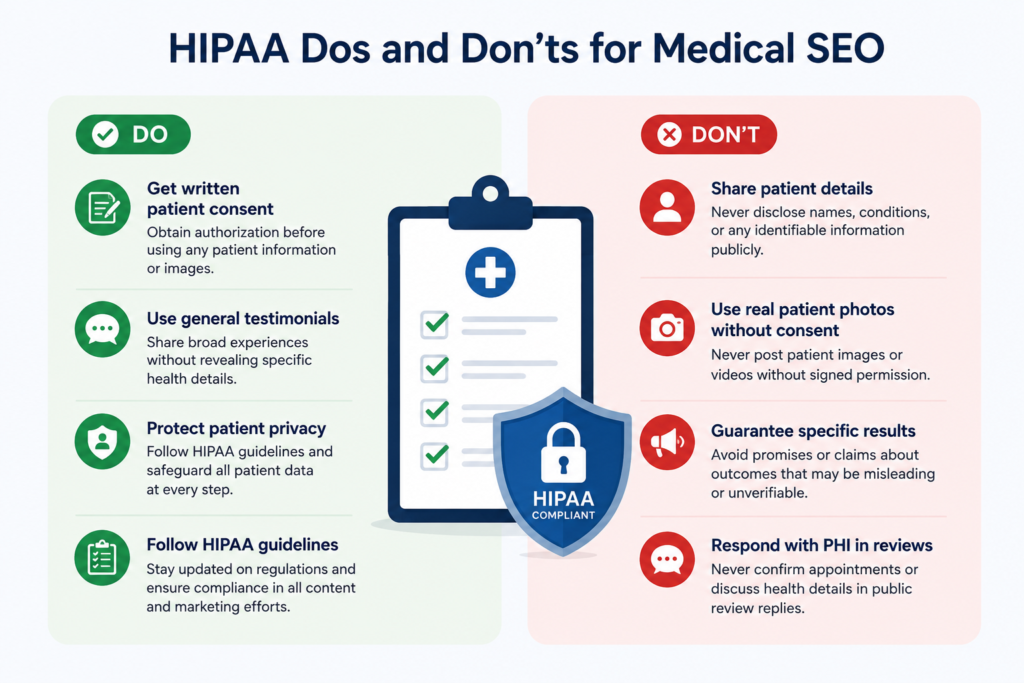
Healthcare marketing follows rules most industries never deal with.
HIPAA protects patient privacy, and using patient information or photos in marketing without written authorization is a violation, full stop. One healthcare company found this out the hard way. It paid $182,000 to settle a case after posting patient stories online without proper consent.
Get signed HIPAA authorization before sharing any patient detail, photo, or story anywhere public. Social media posts, blog comments, and review replies must not include protected health information, even by accident. Violations carry real consequences:
- Civil fines starting around $50,000
- Possible criminal charges
- Job loss for whoever approved the post
Email marketing has its own rules too. Campaigns must follow CAN-SPAM and TCPA consent requirements. The FTC bans false or misleading claims, including exaggerated success rates.
On top of federal law, state medical boards set their own advertising rules for specialties. These rules vary state by state.
None of this should scare a medical practice away from marketing. It just means SEO and content need a compliance check built into the process.
That’s the difference between marketing that grows a practice and marketing that creates a legal headache.
Why HIPAA Compliance is Essential in Medical SEO
Protects Patient Trust
Patients share sensitive information to get care, not to see it show up in a testimonial or ad.
Handling data the right way keeps that trust intact. Trust is what turns a visitor into a booked patient.
Avoids Costly Penalties
HIPAA fines aren’t small.
A single violation can run into tens of thousands of dollars. Repeated or careless violations climb even higher.
Compliant SEO protects the marketing budget from disappearing into legal fees.
Keeps Content Legally Safe
Blog posts, reviews, and testimonials need consent trails and careful wording.
Compliant content avoids false claims and protected health details. That way, a piece written to attract patients doesn’t accidentally become evidence in a complaint.
Builds a Sustainable SEO Strategy
Search engines and regulators both reward consistency over stunts.
A HIPAA-aware approach keeps content, reviews, and ads clean. That lets rankings compound.
Frequently Asked Questions (FAQs)
Medical SEO usually takes several months to gain traction. New practices may need longer. Meanwhile, established websites can see improvements sooner from targeted optimization.
Medical SEO builds long-term organic visibility, whereas paid ads provide faster exposure. Using both can help practices attract immediate traffic. It also helps develop sustainable search rankings.
Yes. Smaller practices can compete by targeting specific services, neighborhoods, and local searches. Focused content can help them rank for searches larger healthcare brands overlook.
Focus on service, location, and patient-intent keywords. Examples include “family doctor in [city],” “sports injury treatment,” and “pediatric dentist near me.”