



If your small business isn’t showing up when locals search, you are basically the best-kept secret… and not in a good way.
That’s where Local SEO strategies step in – turning your business from a “hidden gem” to a “can’t-miss hotspot” right in your neighborhood.
Whether you are running a cozy cafe, a boutique store, or a service-based hustle, mastering Local SEO strategies is how you get found by the people already looking for what you offer.
This complete guide breaks down 21 practical, no-fluff tactics to help you rank higher, attract nearby customers, and actually turn searches into sales.
Because let’s be honest – SEO doesn’t have to be boring, especially when it’s bringing real customers through your door.
Also Read: 14 Reasons to Hire an SEO Agency for Your Business
What is Local SEO and How Does It Work?
Increasing your presence in locally relevant searches is the goal of local SEO, a subset of search engine optimization. Local SEO focuses on searches within a particular area, such as your city, neighborhood, or region, as opposed to traditional SEO. It targets wide, nationwide audiences.
The local search ecosystem has three main pillars:
- Google Maps / Local Pack – The map results show 3 businesses at the top of Google
- Organic search results – Regular website listings below the map pack
- Citations and directories – Business listings on Yelp, Apple Maps, and industry sites
Key ranking factors Google uses for local results:
- Relevance – Does your business match what the user is searching for?
- Distance – How close is your business to the searcher?
- Prominence – How well-known and trusted is your business online?
21 Local SEO Strategies for Small Businesses
1. Optimize Your Google Business Profile
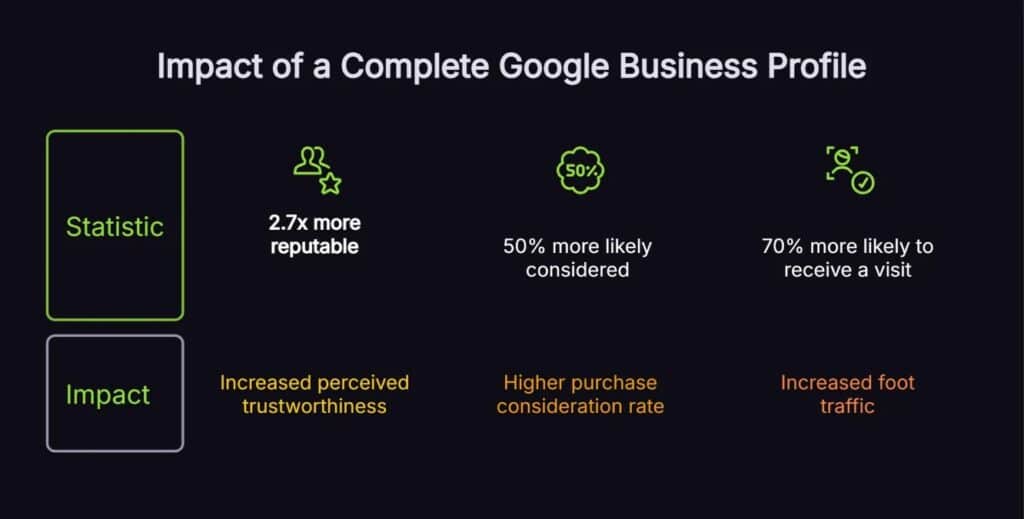
The most crucial local SEO resource you have is your Google Business Profile (GBP). Enter your business name, address, phone number, website, hours, categories, services, and a thorough description after you claim and verify your listing on Google.
When looking for business addresses, 64% of consumers use Google Business Profiles.
[Source: Corunit]
Regularly add high-quality images. Directions requests are 42% higher for businesses with photographs. Add secondary categories that represent your entire service offering after selecting the most correct primary category.
Optimizing a Google Business Profile (GBP) is the most important local SEO approach for small businesses in 2026.
Maintaining a complete and active profile is crucial because companies in the local map pack receive 126% more traffic than their lower-ranked rivals.
2. Maintain NAP Consistency
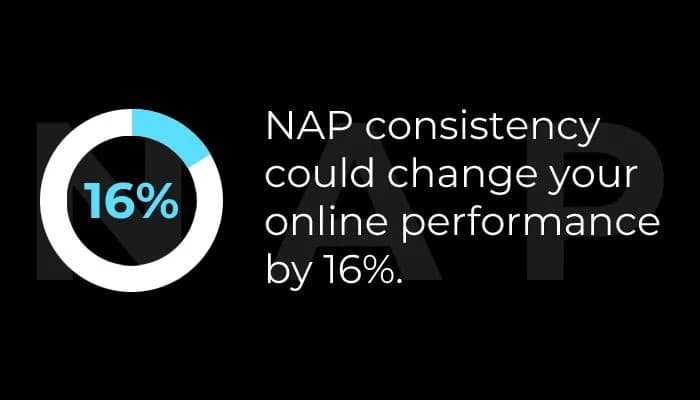
NAP is a term for Name, Address, and Phone Number. Your website, Google Business Profile, social media pages, and each directory entry must all include the same information. Google may become confused by even minor variations, such as “St.” vs. “Street,” which could lower your ranks.
[Source: Seo.co]
Consistent NAP across directories and platforms can greatly increase exposure, according to data; some sources report up to 73% increased visibility in AI-generated searches.
To identify discrepancies before they harm, conduct a quarterly audit of your NAP data using programs like Moz Local or BrightLocal.
3. Conduct Local Keyword Research
There is competition for generic keywords. Local keywords can be profitable. Go after “emergency plumber in Austin, TX” or “water heater repair near downtown Denver” rather than “plumber.”
46% of all Google searches now have local intent.
[Source: Backlinko]
To find geo-targeted keywords, use Ahrefs or Ubersuggest, Google Search Console, and Google’s autocomplete feature. People who ask Google Assistant inquiries typically use complete sentences, such as “where’s the nearest oil change shop open on Sunday?” Don’t ignore voice search keywords.
4. Create Location-Specific Landing Pages
Make a landing page specifically for each city or community your business serves. Instead of just changing the city name, each site should include original content that speaks to the particular requirements of that place.
Within a day, 76% of customers who look for anything nearby visit a business.
[Source: Search Engine Journal]
Add neighborhood allusions, local landmarks, and testimonies specific to the area. Steer clear of duplicating material between pages, as this will confuse search engines and lower your rankings.
5. Optimize Title Tags & Meta Descriptions
One of the first things Google looks at is your title tag. Use this style for local SEO: Primary Keyword + City | Business Name. For instance, “Roof Repair in Nashville | Smith Roofing Co.”
Optimizing title tags and meta descriptions is essential for increasing CTR (Click-Through Rate), as 46% of Google searches currently include local intent, and AI summaries appear in about 40% of inquiries.
A well-written meta description increases click-through rates, but it has no direct impact on ranks. Within 155 characters, include the name of your city, a key service, and an enticing call to action.
6. Add Local Schema Markup
You can add code to your website called schema markup to help Google determine the precise nature of your company and its location. Add your name, location, phone number, hours, and geographic coordinates using the LocalBusiness schema.

[Source: Brightlocal]
Your click-through rate can be greatly increased by using this structured data to generate rich search results, such as star ratings and business hours that appear right on the results page.
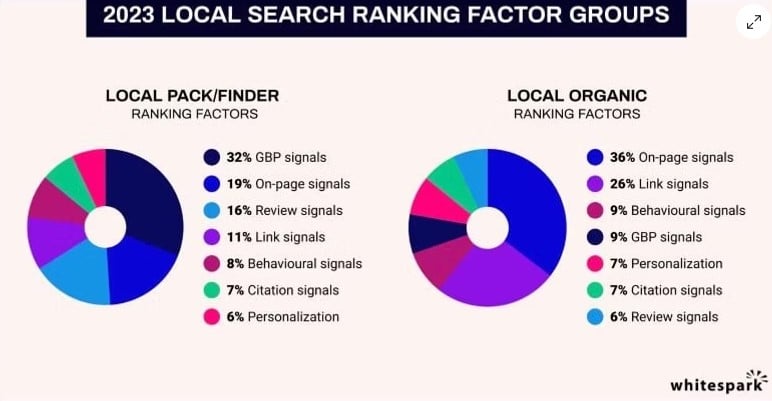
7. Build Local Citations
Any internet reference to your company’s NAP data is a citation. Submit your company to industry-specific directories that are pertinent to your field, as well as large directories like Yelp, Yellow Pages, Bing Places, and Apple Maps.
[Source: Thisisgain]
More important than the number is quality. Pay attention to reputable, credible directories. Additionally, make sure that your Google Business Profile and website contain the same information as your NAP.
8. Get More Customer Reviews
Reviews serve as a clear indicator of local standing. More significantly, they affect whether a prospective buyer clicks on your listing or keeps scrolling. Just ask your clients to post a Google review following a successful sale or service.
66% of consumers trust Google as their primary source for local information.
Simplify the process by sending a direct link to your Google review page in a follow-up text or email. Podium, Birdeye, or even a basic email template can be used to automate this. Instead of a rapid spike of reviews, aim for a consistent flow.
9. Respond to All Reviews
Google rewards engagement. Google can tell that your company is engaged and concerned about the customer experience when you reply to reviews, both positive and bad. Incorporate keywords and your location where they naturally fit into your comments.
In 2026, responding to every customer review is a crucial, powerful local SEO tactic for small businesses. According to data, 87% of customers read online reviews for nearby companies, and Google’s local algorithm has verified that active participation is a ranking determinant.
Respond to unfavorable evaluations in a professional manner and offer to fix the problem offline. Just as much as they read the complaints themselves, prospective clients read how you respond to them.
10. Optimize for Mobile Users
Mobile devices account for almost 60% of local searches. You’re losing clients before they’ve ever read a word if your website loads slowly or doesn’t work correctly on a phone.

Make sure the design of your website is responsive, meaning it can adjust to any screen size. A click-to-call phone number, readable typefaces, and buttons that are easy to tap are essential. Regularly test your website across a variety of devices.
11. Improve Website Speed
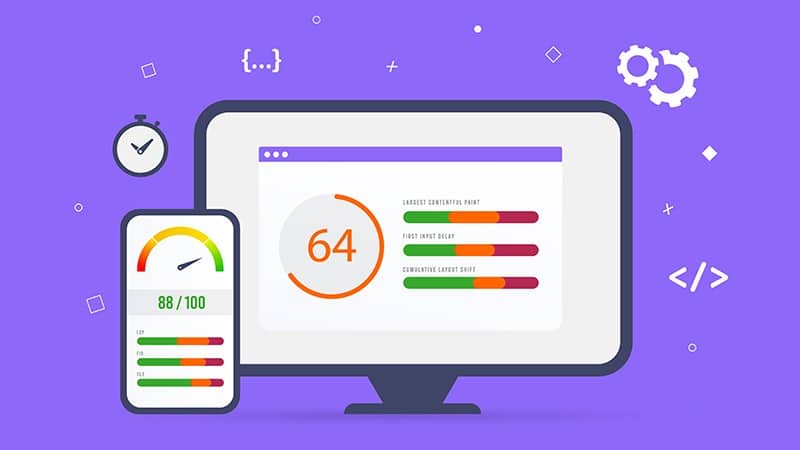
Conversions are directly impacted by page speed, which is a verified Google ranking factor. Conversions can be decreased by 7% with a one-second load time delay.
[Source: Exceedion]
Pay attention to three essential web vitals:
- Cumulative Layout Shift (CLS)
- First Input Delay (FID)
- Largest Contentful Paint (LCP)
Use a CDN, enable browser caching, reduce superfluous scripts, and compress pictures. You can get a free, useful analysis from Google’s PageSpeed Insights service.
12. Use Localized Content Marketing
National brands are not the only ones that can use a blog. You establish yourself as a reliable local authority by publishing articles about neighborhood guides, local business trends, local events, and local news.
Increase traffic with an impactful content strategy.
Write articles such as “Top 5 Things to Know About Hiring a Contractor in [Your City]” or even “How Weather in [Your Region] Affects Your Roof.” Long-tail search traffic and local backlinks are drawn to this kind of content that you would not otherwise be able to obtain.
13. Build Local Backlinks
One of the most powerful local SEO indicators is backlinks from other nearby websites. Sponsor local events or organizations, collaborate on cross-promotions with nearby companies, and submit guest pieces to regional blogs or news sources.

[Source: Brightlocal]
Obtaining a link from a local newspaper, community organization, or your city’s Chamber of Commerce carries a lot of SEO weight, and it’s easier for a small business to do so than to compete for backlinks from across the country.
14. Leverage Social Media for Local Reach
Although social media signals increase brand recognition and local visitors, they have no direct impact on Google rankings. Use geotagging in your Facebook and Instagram posts and stories. Participate in Facebook conversations and local community groups.
Post behind-the-scenes content, do local promotions, and check in from your own location. Google receives a significant indication of trust when more people search for your company by name, as it becomes more prevalent in local online conversations.
Relatable Read: Social Media for SEO: Build a Strategy That Supports Rankings
15. Optimize Images for Local Search
Every picture on your website presents a chance. Write alt text that organically includes your service and location, and use descriptive, keyword-rich file names (such as “nashville-plumber-emergency-repair.jpg” rather than “IMG_4521.jpg”).

Photos shot at your place of business can also have geolocation metadata (EXIF data) added to them. Because they show up directly in search results and Google Maps, the photos that you upload to your Google Business Profile are very significant.
16. Use Google Posts Regularly
You may post announcements, events, offers, and changes directly on your Google Business Profile with Google Posts. These posts give prospective clients an incentive to pick you over rivals and show up on your knowledge panel in search results.
[Source: Rankmax]
At least once a week, post. Announce forthcoming events, promote new services, or advertise seasonal deals. Every post indicates to Google that your company is active and keeps your profile current.
17. Optimize for Voice Search
Compared to typed searches, voice search queries are lengthier and more conversational. A person may type “dentist Dallas” and ask their phone, “Who is the best dentist near me taking new patients?”
Make FAQ pages that provide clear, natural language answers to frequently asked local topics in order to optimize for these queries. Make use of headlines that pose questions, such as “How much does roof repair cost in [City]?” Clearly and succinctly organize your responses; Google frequently incorporates them into featured snippets.
18. Track Local SEO Performance
What you don’t measure, you can’t improve. To track organic traffic, keyword rankings, and user activity on your website, set up Google Search Console and Google Analytics 4.
Track your local pack ranks by location and keyword with programs like BrightLocal or Whitespark. Keep an eye on your Google Business Profile Insights for information about how clients find you and what they do once they do.
Relatable Read: eCommerce SEO Case Study: $30k to $700k Sales Journey
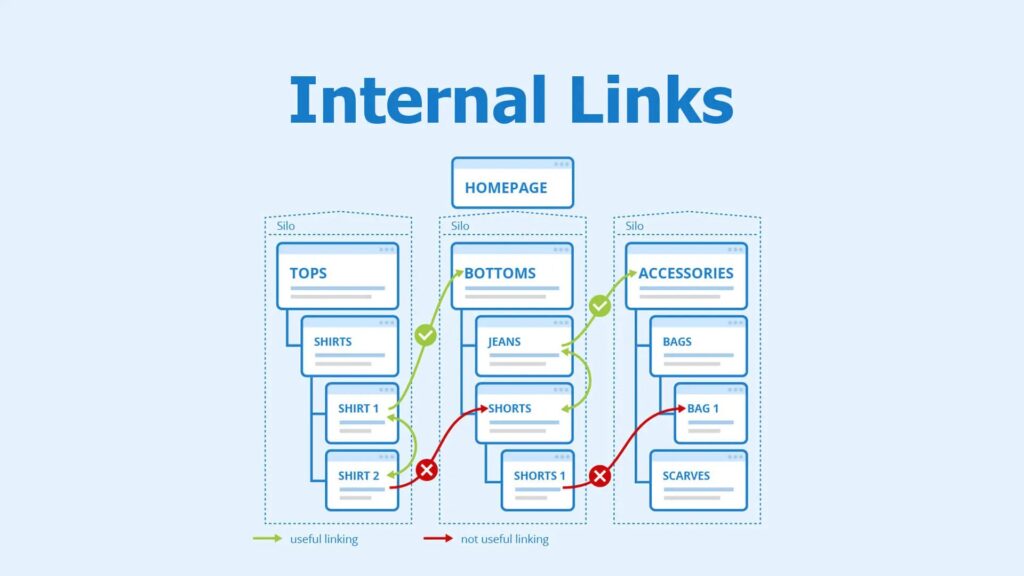
19. Use Internal Linking Strategically
Internal links make it easier for Google to crawl your website and comprehend how your pages relate to one another.
[Source: Sitecentre]
Connect location pages to your service pages and vice versa. Your “Plumbing Services” page, for instance, ought to have links to “Plumbing Services in Austin” and “Plumbing Services in Round Rock.” This helps users and Google navigate your information more easily by distributing page authority throughout your website.
20. Target “Near Me” Searches
Over the previous few years, “near me” searches have significantly increased. Use natural terms in your content, such as “serving consumers in [city] and nearby areas” or “placed in the center of [neighborhood], to draw in this traffic.
Google is intelligent enough to display your result when it is pertinent to a searcher’s location, so you don’t need to actually stuff “near me” into your content. Your website must make it obvious who you are and what you do.
21. Monitor Competitors
Regularly research your local rivals. Find out who is ranked in the local pack by searching for your main keywords. Examine their Google Business profile, backlink profile (using Ahrefs or Moz), quantity and caliber of reviews, and content strategy.

Look for gaps, such as directories they aren’t listed in, inquiries they aren’t responding to, or keywords they aren’t targeting. You don’t want to imitate them. It’s to determine your areas for improvement.
Also Read: How to Set SEO Goals That Are Realistic and Actually Achievable?
Common Local SEO Mistakes to Avoid
- Inconsistent NAP data: Google is confused by even little differences between platforms, which lowers your ranks.
- Ignoring reviews: Ignoring reviews, whether favorable or unfavorable, is a lost chance to foster engagement and trust.
- Thin or duplicate content: Location pages that are identical save for the name of the city will not rank and could be punished.
- Lack of mobile optimization: Most local searchers are turned off by a desktop-only experience.
Final Thoughts
For small businesses, local SEO is no longer a “nice-to-have.” It’s how clients find you when they most need you. The appropriate local SEO tactics can help your company stand out in congested search results and draw in actual local clients. These tactics include improving your Google Business Profile, producing location-based content, and obtaining reliable reviews.
But let’s be honest. It can seem like a full-time job to keep up with rankings, reviews, keywords, maps, and algorithm upgrades. MonsterClaw can help with that. With clever SEO tactics that truly work, their team assists small businesses in converting local searches into genuine traffic, calls, and sales.
Ready to stop getting buried in search results and start getting found by local customers? Connect with MonsterClaw today and give your business the local visibility it deserves.
Frequently Asked Questions (FAQs)
Use local keywords, gather reviews, optimize your Google Business Profile, and maintain consistent business information online.
It increases visibility and trust by making your company appear in local search results via Google Maps.
With regular optimization, the majority of firms experience returns in three to six months.
Indeed. Local SEO helps small businesses rank in local searches and draw in local clients.
The typical errors are disregarding reviews, keyword spamming, conflicting company information, and subpar mobile optimization.